
Key Takeaways
There is no single standard cost for logo design: the quote depends on the work behind the mark and what you receive at handoff. Compare scope and rights, not just the headline price.
- A DIY route may suit a temporary or very simple need; custom design usually involves more collaboration and a clearer handoff.
- Research, complexity, revision rounds, and timing can all change a quote.
- Ask for the number of concepts, final file formats, usage rights, and source files in writing.
- Compare proposals only after you make their scope and terms comparable.
- Set a budget around your immediate uses and likely next steps, rather than buying extras you cannot use yet.
Typical cost for logo design by hiring option
The cost for logo design varies because the options do not include the same amount of work. A template, a freelance engagement, and a studio-led identity project are different purchases, even when each delivers a logo. The Gig Resource provides free, step-by-step guides for common business and digital challenges; this guide takes the same practical approach to evaluating a quote, without pretending there is one rate that fits every business.
DIY tools and templates
A do-it-yourself tool or template can be the least expensive route in direct fees, but you supply the time and judgment. You may need to choose a layout, adjust colors and type, and check whether the result is suitable for the places you plan to use it. Before paying, read the terms for commercial use, editing, and export options. A low initial charge is not necessarily a complete handoff.
DIY is most realistic when you need a temporary mark, have a clear visual direction, and can accept limited customization. It may be less suitable if your business needs a distinctive identity, careful typography, or artwork prepared for different production settings. Consider the cost of your own time, too. If you spend hours trying to make a template behave, the apparent savings may not feel like savings.
Freelance designers at different experience levels
Freelancers set prices based on their experience, workload, process, and the scope you request. One designer may quote for a single mark and a defined set of files; another may include discovery, several concepts, and a broader set of refinements. Neither quote is meaningful without those details. Ask what is included before treating a low or high figure as a judgment of quality.
A designer who spends time understanding your customers and use cases may be a better fit when you need more than a quick graphic. Less extensive service can still be appropriate if you have already made key decisions and can give a focused brief. Look for evidence in the proposal: how the designer will work, what decisions you will make together, and what happens if the first direction misses.

Branding studios and agencies
A studio or agency may quote for a team-based process that goes beyond drawing a mark. The scope could include research, positioning, identity development, guidelines, or other brand assets, but those elements should appear explicitly in the proposal rather than being inferred from the provider type. A larger team or broader process can mean more coordination and a higher total fee, though the exact amount depends on the brief.
If your need is only a logo, ask whether a smaller scope is available. If you are naming a business, repositioning it, or preparing a larger launch, a broader engagement may be more coherent than commissioning disconnected pieces. Read the proposal line by line so that you can distinguish the logo deliverables from strategy or supporting work.
What affects the price of a logo
A logo quote is a price for a process and a handoff, not just a visible symbol. The price changes when a project asks for more exploration, more versions, extra coordination, or specialized production needs. You can make a quote easier to assess by explaining where the logo will appear and what decisions you have already made. That context helps a designer define the work rather than guess at it.
Design complexity and number of logo variations
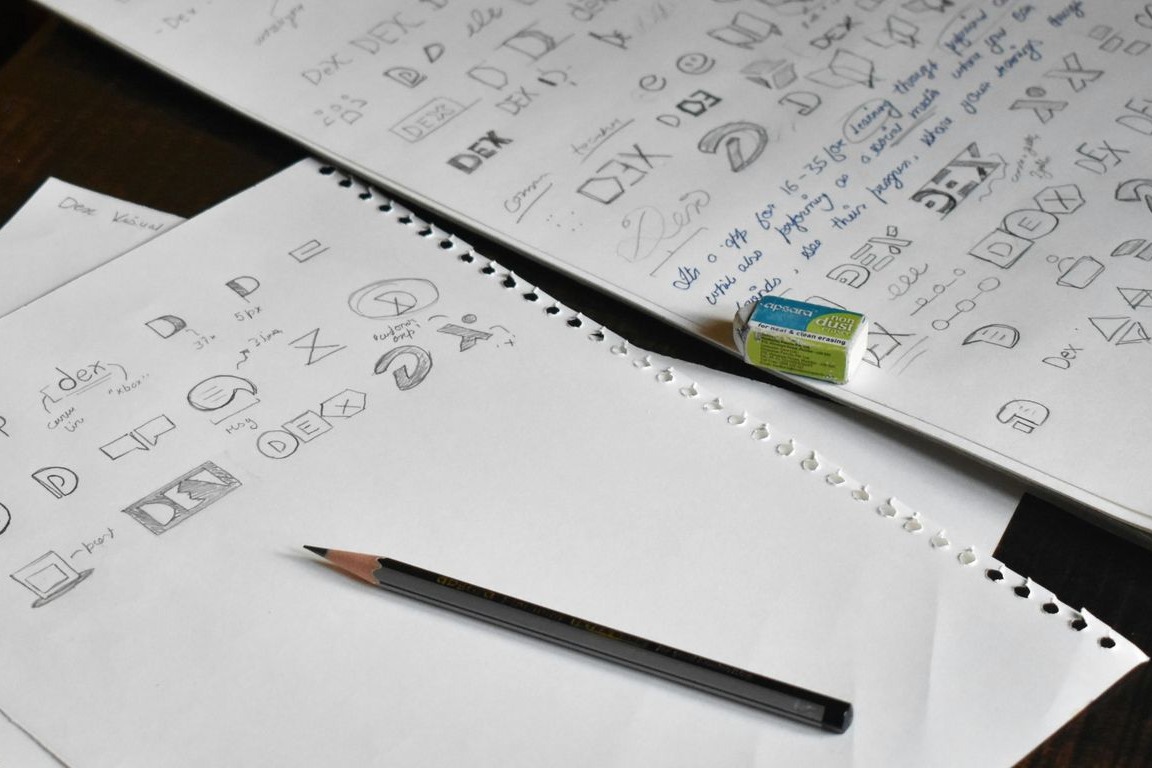
A simple wordmark may require a different kind of effort than a custom illustrated mark or a design combining several elements. Complexity also depends on whether the artwork must remain legible at small sizes or work across distinct uses. More variations—such as a stacked arrangement, a symbol-only version, or alternate color treatments—can add design and review time. Name the variations you actually need rather than requesting every possible version.
Think about where the logo will appear: a website header, a social profile, packaging, a storefront, or printed materials may have different constraints. A designer can explain which versions are useful for those contexts and which would be unnecessary. That conversation turns a vague request for “all formats” into a defined scope.
Research, strategy, and brand positioning
Some projects begin with a clear brief; others require the designer to learn about the business, its audience, and the space it operates in. Research and positioning work can add time before visual concepts begin. Ask what the process includes and what it will produce. A proposal that says “strategy” without describing activities or outputs leaves too much room for mismatched expectations.
If you already know your audience, differentiators, and desired impression, share that information. It does not guarantee a smaller quote, but it can reduce ambiguity and help the designer focus. If those decisions are unsettled, budget for discussion rather than expecting a logo to solve a business-positioning problem by itself.
Number of concepts and revision rounds
Concepts and revisions are not interchangeable. A concept is an initial creative direction; a revision is a change to a direction you have selected. Clarify how many directions you will see, how feedback is gathered, and how many refinement rounds are included. Also ask what counts as a new direction rather than a revision, since a major change in strategy may require additional work.
The revision boundary matters because it keeps both sides clear about when the agreed scope ends. Give consolidated feedback from the people who need to approve the design, rather than sending conflicting requests in separate messages. If a proposal does not explain how extra rounds are priced, ask for that before work starts.
Turnaround time and project coordination
A compressed timeline may affect a quote if it requires a designer to rearrange work, schedule additional check-ins, or make decisions faster. Coordination also takes time when several people need to review concepts or when feedback arrives in separate rounds. Share your real deadline and the reason for it. A designer can then say whether the requested scope fits the schedule.
Agree on response times as well as delivery dates. Your project can stall if the designer is waiting for feedback, even when the creative work is on track. Set a reasonable review window and decide who has final approval. That simple planning can prevent a rush fee from being confused with the ordinary cost of the design itself.
What a logo design quote should include
A useful quote makes it possible to picture the work from kickoff through delivery. It should say what the designer will create, how you will review it, what files you will receive, and what rights you are being granted or assigned. Compare these details before comparing totals. If an item is not stated, ask whether it is excluded or simply not yet defined.
Concepts, feedback, and refinement rounds
Look for the number of initial concepts, the format in which they will be presented, and the way you will provide feedback. The quote should say how many refinement rounds are included and whether those rounds apply to one chosen direction. Ask how a round is counted, particularly if you have multiple approvers. A clearly described process protects the schedule as much as it protects the budget.
A proposal can also identify the stages when approval is needed: brief, concept selection, refinement, and final delivery. You do not need a complicated workflow for a small project, but you do need to know when a decision becomes the basis for the next stage. Changes after approval may affect the fee, so clarify that boundary early.
Final files, formats, and color variations
“Final files” can mean different things to different people, so list the formats and versions you expect. Ask whether editable source files are included, whether they are supplied at handoff, and whether the quote covers color and monochrome versions. The exact set depends on your uses, but naming the intended uses helps the designer recommend a practical package.
This simple deliverables table gives you language for checking a proposal; it is a prompt for questions, not a promise that every project needs every file.
| Deliverable | Ask the designer | Why it may matter |
|---|---|---|
| Vector artwork | Which editable or scalable formats are included? | Useful for resizing and some production workflows |
| Raster exports | Which sizes and file types will be supplied? | Convenient for common digital placements |
| Color versions | Are full-color, one-color, and reversed versions included? | Helps the mark work on different backgrounds |
| Source files | Which working files are handed over, and when? | Allows future edits by you or another designer |
A format name alone does not guarantee that a file is prepared correctly for your particular printer, sign maker, or website. Tell the designer where you intend to use the logo, then confirm that the deliverables meet those needs. If a file or variation is excluded, ask what adding it would cost before approving the quote.
Usage rights and ownership transfer
The agreement should spell out what rights you receive, what the designer retains, and when any transfer or license takes effect. Do not assume that paying an invoice automatically answers every ownership question. Terms can differ, and the contract wording matters. If your logo is central to a high-stakes launch or a complex ownership arrangement, consider getting qualified legal advice before signing.
Ask whether the designer is using original work, any third-party assets, or elements with separate license terms. If so, request an explanation of how those terms affect your intended use. Keep the agreement and final handoff together in your records. Clear written terms are more useful than a verbal assurance that the logo is “yours.”
Optional brand guidelines and supporting assets
A logo project can include a short guide explaining how to use the approved artwork, but that is not automatic. Ask whether guidelines cover color values, spacing, minimum size, and examples of correct use, and whether those items are part of the quoted scope. Supporting assets—such as social graphics or business stationery—are also separate deliverables unless the proposal includes them.
Buy additions when they solve a real need. If you are the only person using the logo for now, a concise handoff may be enough. If employees, contractors, or print vendors will use it, written usage guidance can help keep versions consistent. Have the designer list optional items and fees separately so you can choose without confusing them with the core logo price.
How to compare logo design proposals
Two proposals are comparable only when they describe roughly the same job. One may cost more because it includes research, more concepts, or a detailed handoff; another may exclude those items. Make a side-by-side comparison based on scope and terms, not just the final number. The Gig Resource provides free, step-by-step guides for common business and digital challenges; a structured comparison is a practical way to make a hiring decision without relying on a vague impression.

Check that scope and deliverables match
Start by putting the deliverables from each proposal into the same plain-language list. Compare concepts, revisions, file formats, source files, usage rights, and any additional assets. If an item is missing from one quote, do not assume it is included. Ask for a written clarification or a revised proposal that describes the same scope as the others.
Pay attention to what happens after approval as well. Does the designer provide final files directly, and is there a stated handoff date? Are future changes included or billed separately? These details can affect the usefulness of a quote more than a small difference in the initial fee.
Review relevant portfolio work
Look for work that helps you judge the designer’s fit for your brief: comparable complexity, considered typography, or examples of marks applied in contexts like the ones you need. A portfolio is evidence of prior work, not a guarantee that your project will produce the same result. Ask what role the designer played on a relevant example if the presentation does not make that clear.
Evaluate the thinking as well as the polish. Can you see a range of approaches, or only one visual style repeated? Does the work remain clear in simple applications? You are not expected to become a design critic; you are checking whether the designer can explain decisions and whether the work feels relevant to your needs.
Clarify revision limits and added fees
Ask what is included in a revision round, how you submit feedback, and what would trigger additional charges. A change to a selected concept may be ordinary refinement, while replacing the direction after approval may be outside scope. Definitions vary, so get the designer’s version in writing. Confirm how extra work is quoted and approved before it begins.
Avoid relying on phrases such as “unlimited revisions” without asking how the process is managed. There may still be limits on timing, scope, or the number of directions being explored. A clear, workable revision process is more valuable than an open-ended promise that nobody has defined.
Confirm rights, payment terms, and cancellation terms
Check the payment schedule, deposit requirements, due dates, and what happens if either side ends the project early. Confirm whether payments are tied to milestones and whether completed work is delivered if the project stops. Read any cancellation terms alongside the ownership language, because the two may affect what you can use after a partial project.
If a term is unclear, ask for an explanation before paying. You should know when rights transfer, how expenses or extra work are handled, and whether the designer can show the finished work in a portfolio. Keep the signed agreement and any updates in one place so that everyone is working from the same terms.
How to set a practical logo budget
A practical budget begins with the job the logo needs to do, not an arbitrary number pulled from another business’s experience. Decide which parts you can handle yourself and where professional judgment will matter most. The Gig Resource provides free, step-by-step guides for common business and digital challenges; breaking a decision into needs, scope, and next steps can make a budget feel less abstract.
Decide what your business needs now
Write down the immediate use cases and the minimum handoff you need to operate. You might need a primary logo and a few clearly specified digital or print variations, or you may need only a single version for a limited launch. Distinguish must-haves from nice-to-haves. That distinction helps you request a focused quote without asking a designer to guess what “complete” means.
If funds are limited, be candid about the constraint and ask what scope is realistic within it. A designer may suggest reducing the number of concepts, postponing supporting assets, or narrowing the initial deliverables. Do not ask for the same work at a lower price without changing the scope; that creates a mismatch rather than a useful negotiation.
Allow for future uses such as packaging and signage
Consider likely next uses, even if you do not need them today. Packaging, signage, embroidery, or a new digital channel may call for a different layout or file preparation. You do not have to purchase every variation at once, but you should tell the designer what may be coming. That information can influence the design decisions and avoid a handoff that only works in one narrow context.
Ask whether the designer can quote future adaptations separately. A staged plan lets you pay for what you need now while understanding what a later expansion could involve. Avoid assuming that a logo that looks good on a screen will automatically meet every production requirement; confirm the specific use with the relevant vendor.
Separate logo costs from broader branding work
A logo is one part of a visual identity, and a full brand engagement may include additional research, messaging, guidelines, and assets. Those items can be valuable, but they should not be hidden inside a vague logo fee. Ask the provider to separate the logo scope from any broader branding work, then decide which pieces serve your current business priorities.
Separating line items also makes future planning easier. You can see whether the immediate quote covers design and handoff alone or includes a larger system. If you are unsure what a term means, ask for a plain-language description of the work and its final output rather than paying for a label.
Watch for low quotes with unclear scope
A low quote is not automatically a problem, just as an expensive quote is not automatically comprehensive. The risk is not knowing what the fee buys. Check whether the proposal identifies concepts, revisions, file types, rights, and delivery timing. If those details are absent, request them before making a decision.
Be cautious about choosing solely on headline price when one quote excludes source files or leaves rights undefined. Add-on fees or a second engagement may change the total cost later. A written scope makes it easier to spot those gaps and decide whether the lower initial fee still suits your actual needs.
How to hire and work with a logo designer
A good working relationship starts before the first concept appears. You do not need a perfect creative brief, but you do need to give the designer enough context to make useful decisions. Agree on how you will communicate, who will approve the work, and what the final handoff contains. The Gig Resource provides free, step-by-step guides for common business and digital challenges; a straightforward, staged process can help you approach this project with the same clarity.
Write a brief with your audience and use cases
A logo design brief should explain what your business does, who it serves, and where the logo will appear. Share practical constraints and the impression you hope to create, but avoid dictating every design decision. A useful brief gives direction while leaving room for the designer’s expertise. You can copy and adapt this short checklist when requesting proposals:
- Business name, what you offer, and the audience you serve.
- Where the logo will appear now, plus likely near-term uses.
- The qualities or impression the design should communicate, with examples if useful.
- Required variations, file formats, source files, and any usage-rights questions.
Keep the brief concise and make clear which details are firm versus still open. If several people will review the work, name the final decision-maker. This reduces conflicting feedback and helps the designer understand what success means to you.
Request comparable proposals from designers
Send the same brief and deliverables list to each designer you are considering. Ask each to describe the process, schedule, concepts, revisions, final files, rights, and fee. That makes it easier to see differences in approach without turning the decision into a contest over the lowest number. You can ask follow-up questions where a proposal uses unclear terms.
The Gig Resource describes its offering as free, step-by-step guides for common business and digital challenges; for this decision, the useful habit is to request specifics and compare like with like. Choose the person whose process and communication fit the work, not simply the proposal with the most pages. A concise, direct explanation can be a good sign that expectations are understood.
Agree on milestones, feedback, and approvals
Before work begins, put the stages, deadlines, feedback windows, and approval points in writing. Decide how many people may comment and who resolves differences. Agree on a single channel for feedback if possible. This keeps a small project from becoming a string of contradictory requests and gives both sides a shared record of decisions.
Respond within the agreed review window and be specific about what works or does not. Explain the reason behind a preference when you can, such as legibility or audience fit, rather than asking for a change without context. If your goals shift, discuss the effect on scope and timing before the designer continues.
Review the final files before signing off
Use the agreed deliverables list as your handoff checklist. Confirm that the filenames and formats are present, the expected variations are included, and the source files and rights documents have been delivered if they were part of the agreement. Open the files or ask a relevant vendor to confirm that the supplied versions suit the use you described. Raise missing items before marking the project complete.
Store the final artwork, agreement, and any usage guide together, with a backup your business can access. Make sure another authorized person can locate them if you are unavailable. A careful handoff does not need to be complicated; it simply prevents the logo from becoming a folder of unlabeled files and unanswered questions.
Conclusion
The cost for logo design is best understood through scope: what work happens, how many decisions and revisions are involved, and what files and rights you receive. Define your immediate uses, request comparable written proposals, and clarify any open terms before paying. A well-scoped project gives you a more useful basis for choosing a designer than a price figure on its own.
Frequently Asked Questions
How much should a small business budget for a logo?
There is no single reliable figure that fits every small business. Set a budget after you define the scope, including concepts, revisions, final files, usage rights, and any research or supporting assets you need.
Why do logo design quotes vary so much?
Quotes can cover different amounts of research, creative exploration, feedback, coordination, file preparation, and rights. Compare the included work and terms before treating the totals as competing prices for the same service.
How many logo concepts should a designer provide?
The right number depends on the project and the process. Ask how many distinct directions are included, how you will select one, and whether later changes are refinements or a new concept.
What file formats should I request for a logo?
Ask which formats and versions suit your actual digital and print uses, and whether editable source files are included. A designer or production vendor can confirm specific requirements for a website, printer, sign, or packaging project.
Do I own the logo after I pay for it?
Do not assume payment alone settles ownership or usage rights. Read the written agreement for transfer or license terms, any third-party assets, and when the rights take effect; seek legal advice when the stakes or terms warrant it.
Are revisions usually included in a logo design quote?
A proposal may include a defined number of refinement rounds, but the terms vary. Confirm what counts as a round, what changes are included, and how additional work is quoted before the project begins.
Should I hire a freelancer or a branding agency?
Choose based on the scope you need and the process you want. A focused logo project may call for a narrower engagement, while broader research and identity work may need a larger scope; compare actual deliverables rather than relying on provider labels.